

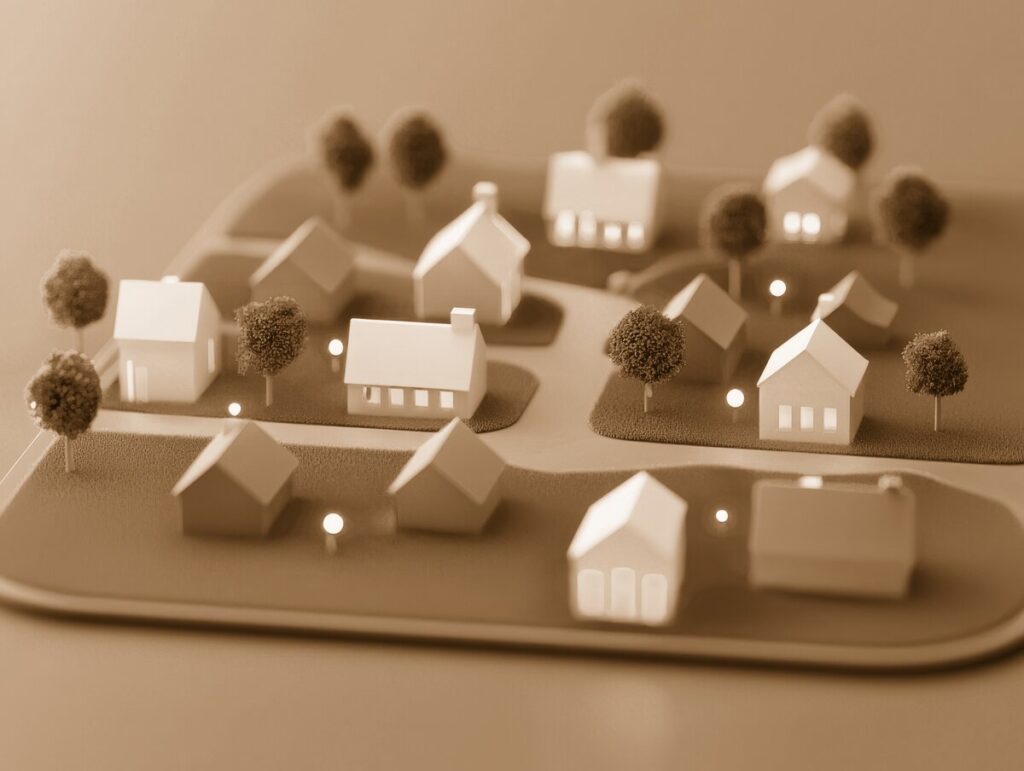
Greenwood’s Central Park: A Neighborhood with Deep Roots
Nestled in the heart of Greenwood, Indiana, the Central Park neighborhood stands as a testament to the city’s resilient spirit and welcoming charm. While Greenwood has grown and changed over the decades, Central Park remains “home” — a place where the past and present gently intertwine. For residents and visitors alike, the neighborhood’s story offers a window into Greenwood’s transformation, from quiet railroad town to a thriving suburb with heart.
Origins: From Farmland to Community
Central Park’s history is closely intertwined with Greenwood’s own settlement and development. In the mid-1800s, what is now Central Park was largely rural farmland, crisscrossed by creeks and flanked by the fledgling tracks of the railroad. Early maps show modest farmsteads around what is now Surina Way and Meridian Street. The area’s fertile soil attracted families, who planted roots—both literal and figurative—setting the foundation for a close-knit community.
As Greenwood experienced its first growth spurts around the turn of the 20th century, the city extended southward. Central Park emerged as a logical neighborhood hub, thanks to its proximity to downtown, schools, and transportation. The arrival of U.S. Highway 31 brought further interest, as more families discovered Greenwood’s blend of small-town warmth and accessibility.
How Central Park Got Its Name
The roots of the “Central Park” name are both practical and aspirational. Centrally located within Greenwood’s evolving city footprint, the neighborhood’s name reflected its prime position—just north of Smith Valley Road and east of Meridian Street, not far from Main Street’s historic storefronts.
But “Central Park” also echoed the aspirations of early neighbors who dreamed of creating a green oasis, reminiscent of the famous New York City park but on a more intimate, Hoosier scale. The name became official as subdivisions were platted and neighborhood developments blossomed in the late 20th century, anchored by the nearby city park and recreational areas.
Key Milestones and Landmarks
Over the decades, Central Park has celebrated its share of milestones, each adding layers to its story.
- Establishment of Greenwood’s Central Park: The naming of the park itself, just off Surina Way, gave not just recreational space but a true focal point for the neighborhood. With its walking trails, splash pad, and open green space, Central Park quickly became the social core where families gather for concerts, picnics, and annual events.
- Greenwood Community Center: Another anchoring institution, the Community Center (100 Surina Way), was founded in the 1970s and has since been refurbished and expanded. The center hosts everything from youth sports to senior fitness classes, crafts fairs, and polling during elections. Generations of residents remember learning to swim, taking art classes, or celebrating birthdays here.
- Heritage Trail & Amphitheater: The addition of the Greenwood Amphitheater and the Heritage Trail connected the neighborhood more deeply to Greenwood’s cultural fabric. Outdoor performances, summer movies, and holiday festivals bring the community together along streets like Lincoln Street and Euclid Drive, just steps from Central Park’s heart.
- Preservation of Historic Homes: While much of the original farmsteads are gone, several early 20th-century Craftsman and Tudor Revival houses remain—especially on Meridian Street and adjacent avenues. These homes, with their brick facades and welcoming porches, are reminders of Greenwood’s gradual suburbanization and the families who shaped the block-by-block character of Central Park.
Streets and Institutions with Stories to Tell
No portrait of Central Park is complete without a mention of the streets and institutions that define it:
- Surina Way: Named after a pioneering family, this street runs alongside the park and the community center. Today, it’s often filled with the laughter of children, joggers, and visitors strolling between playgrounds and sports fields.
- Meridian Street: Once a quiet roadway connecting farms, Meridian now connects classic homes with modern neighborhoods. Its mature oaks and tidy sidewalks are perfect for evening strolls.
- Isom Elementary School: Located just east of Central Park, Isom Elementary was built in the 1950s to accommodate Greenwood’s postwar baby boom. Many Central Park residents recall walking or biking to school, a tradition that continues today with new generations.
- Greenwood Public Library: While not within the neighborhood boundary, the nearby library on South Madison Avenue has long been an intellectual and cultural anchor. Storytimes, book clubs, and art shows here have drawn Central Park families for decades.
Evolution Over the Decades
The Central Park neighborhood has never stood still. As Greenwood has grown from a quiet town into one of Indianapolis’s most sought-after suburbs, Central Park balanced tradition with thoughtful change.
The 1980s and 1990s saw a wave of new development, including modern homes, refreshed park facilities, and renewed community spirit. The arrival of the Greenwood Amphitheater brought music and excitement, while expanded trails encouraged neighbors to get outdoors and connect.
Today, Central Park shines as an inclusive neighborhood welcoming both newcomers and families whose roots stretch back generations. Community events—Park Fest, holiday lights, volunteer cleanups—fill the calendar. The blending of old and new, traditional homes and fresh amenities, is part of the neighborhood’s enduring appeal.
What Makes Central Park Special
There’s an undeniable magic in Central Park’s everyday moments. On a Saturday morning, you might see children skipping across the splash pad, gardeners tending neighborhood beds, or longtime friends catching up under the shelter house. The neighborhood excels at hospitality—whether you’re a newcomer or have lived here your whole life, Central Park feels like “home.”
Perhaps most of all, Central Park is a living example of Greenwood’s promise: that respect for the past, care for one another, and hope for the future can all flourish on tree-lined streets. It’s why so many residents stay for decades, and why Central Park remains, quietly, at the very heart of Greenwood.